Georgia's climate presents unique challenges and opportunities for residential and commercial sod installation. With its hot summers, mild winters, and varying rainfall patterns, choosing the right grass variety is crucial for establishing a healthy lawn. Each variety has its strengths and weaknesses, making informed selection essential for successful sod installation.
Understanding Georgia’s Climate
Before diving into specific grass varieties, it is important to appreciate the lawn sod installation broader climate context. Georgia experiences a humid subtropical climate characterized by high temperatures in summer that can soar into the 90s Fahrenheit. Winters are generally mild, with average lows ranging from the upper quality landscape installation solutions 30s to low 40s. This climate promotes a growing season that spans roughly eight months, allowing various grasses to thrive.
Rainfall is another key factor; while some areas receive ample precipitation throughout the year, others may face drought conditions during summer months. Understanding these dynamics can guide decisions about which grass types will flourish best in your specific region of Georgia.
Cool-season vs. Warm-season Grasses
The first decision in selecting grass for sod installation involves understanding whether to choose cool-season or warm-season grasses. Cool-season grasses such as fescue and bluegrass grow best in the cooler months of spring and fall but can struggle during the oppressive heat of summer. In contrast, warm-season grasses like Bermuda and zoysia thrive in the peak heat of summer but may become dormant during the winter months.
Given Georgia's predominantly warm climate, warm-season grasses typically perform better overall. However, some homeowners may prefer a mix that includes cool-season varieties for transitional seasons or shaded areas.
Warm-Season Grass Varieties
Bermuda Grass
Bermuda grass is one of the most popular choices for lawns in Georgia due to its durability and ability to withstand heavy foot traffic. It establishes quickly from sod and grows rapidly in warm conditions. This grass type features fine-textured leaves that create a dense turf when properly maintained.
Bermuda does require regular mowing and watering during dry spells, making it ideal for homeowners committed to lawn care. For optimal results, consider varieties like 'Tifway 419,' known for its resilience and lush appearance.
Zoysia Grass
Zoysia grass is another excellent option for Georgia lawns, particularly in areas with partial shade. It has a thick growth habit that helps suppress weeds while providing a vibrant green carpet-like appearance. Zoysia is slow to establish compared to Bermuda but offers superior drought resistance once established.
Varieties such as 'Emerald' or 'Meyer' are well-suited to Georgia's climate and demonstrate good cold tolerance during milder winters.
Centipede Grass
Centipede grass is often referred to as "lazy man's grass" due to its low maintenance requirements. This variety grows relatively slowly but thrives in acidic soils common across much of Georgia. Centipede requires less fertilizer than other grasses and needs infrequent mowing.
While it may not be as wear-resistant as Bermuda or Zoysia, centipede performs well in sunny locations with good drainage—making it suitable for many residential lawns.
Cool-Season Grass Varieties
Although warm-season grasses dominate in Georgia’s climate, certain cool-season varieties can also be effective in specific situations:
Tall Fescue
Tall fescue performs remarkably well in transitional zones where both cool- and warm-season grasses might struggle. Its deep root system allows it to tolerate heat and drought effectively while maintaining color through cooler periods.
Fescue is adaptable; it does well in both sun-drenched areas and partial shade scenarios, making it versatile for various landscapes across Georgia.
Kentucky Bluegrass
Though not commonly used alone due to its higher water demands, Kentucky bluegrass can be blended with tall fescue for enhanced resilience across different seasons. Its rich color provides an attractive lawn aesthetic but requires more upkeep concerning irrigation and fertilization.
Factors Influencing Grass Selection
When selecting a grass variety suitable for your lawn needs, several factors come into play:
Sun Exposure: Determine how much sunlight your lawn receives daily—some varieties thrive under full sun while others tolerate shade. Foot Traffic: Consider how much wear your lawn will experience; high-traffic areas require hardier grass types. Soil Type: The pH level and texture of your soil significantly impact growth; certain grasses prefer sandy soils while others excel in clay. Maintenance Commitment: Assess how much time you are willing to dedicate towards mowing, watering, fertilizing, and general maintenance. Aesthetic Preferences: Different grass types offer varying colors and textures which contribute to overall landscape design aesthetics.Understanding these factors will help ensure you choose the right sod installation services tailored specifically to your environment.
Professional Sod Installation Services
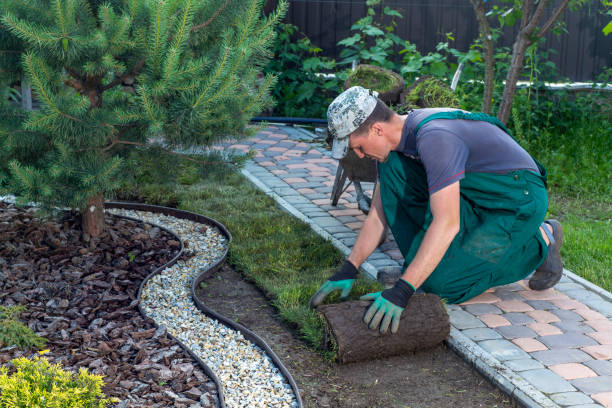
For those unfamiliar with sod laying techniques or lacking time for DIY efforts, enlisting professional sod installation services can make all the difference. A qualified service provider not only understands regional variations but also possesses insights into preparation techniques that promote long-term success.
Key Steps Involved in Professional Sod Installation
During professional residential sod installation or commercial sod installation projects, several steps are typically followed:
Site Assessment: Experts evaluate soil quality alongside sun exposure levels. Soil Preparation: Proper grading ensures water drains effectively; this may include tilling existing soil or amending it. Sod Selection: Based on site conditions assessment results—experts recommend suitable grass choices. Installation Process: Precise laying techniques minimize seams between sections ensuring continuous coverage. Post-installation Care: Guidance on watering schedules along with fertilization practices ensures new sod establishes successfully.Investing in professional services saves time while also reducing risks associated with improper installation practices that could lead to future complications such as disease or poor growth rates.
Conclusion
Selecting the right type of grass for sod installation requires considering various factors including climate conditions unique to Georgia along with individual preferences regarding maintenance levels and aesthetic appeal. By understanding both warm- and cool-season varieties available locally—and seeking knowledgeable assistance—you can cultivate a vibrant lawn capable of thriving within this diverse landscape environment.
Whether opting for durable Bermuda or resilient Zoysia—or even experimenting with mixtures—your choices today will yield benefits tomorrow by promoting an inviting outdoor space cherished by family members or clients alike!